
As we enter the third month following the brutal attack orchestrated by Hamas and ISIS on October 7th.
We still do not see how this will end. The UN Security Council took five days before December 22nd to propose a resolution stating “more aid and a two-state solution” for the Palestinian people, who have endured the war and the atrocities committed by those meant to represent them. Hamas, fully aware that their actions would lead to devastation, appeared indifferent. The Israeli response left many Palestinians in the Gaza Strip homeless, portrayed as martyrs, while the perpetrators celebrated underground. This situation was revealed in the extensive network of tunnels built with funds from the international community, funds intended for purposes other than constructing these hiding tunnels. This construction was presumably done with the full knowledge of the local population.
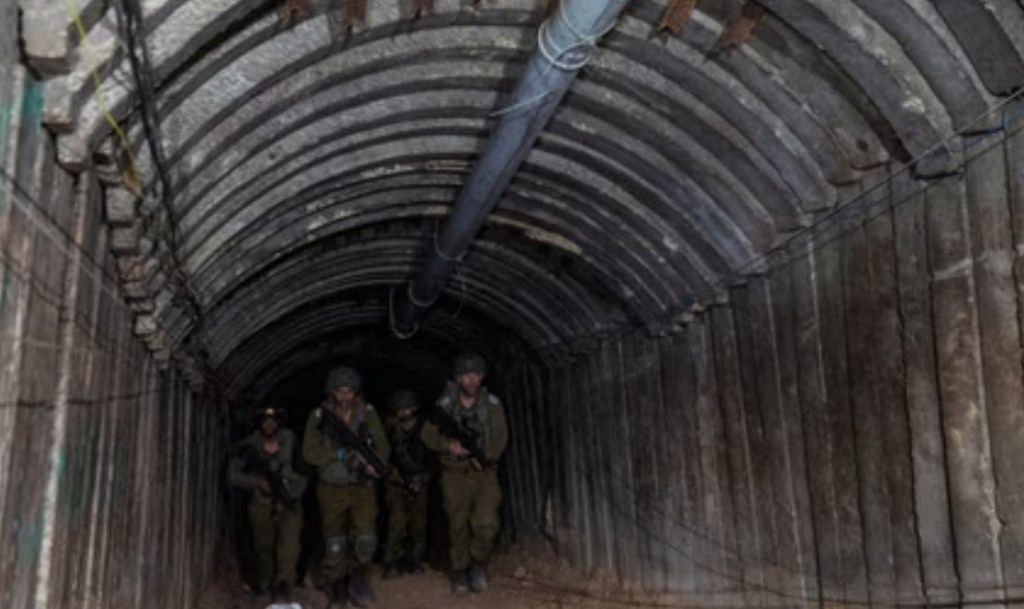
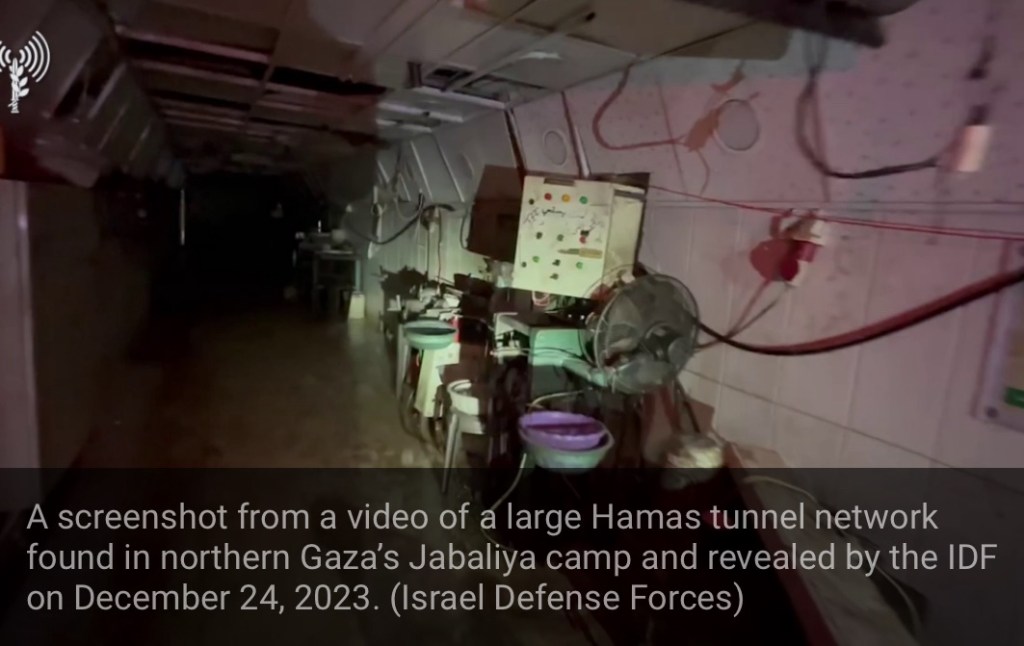

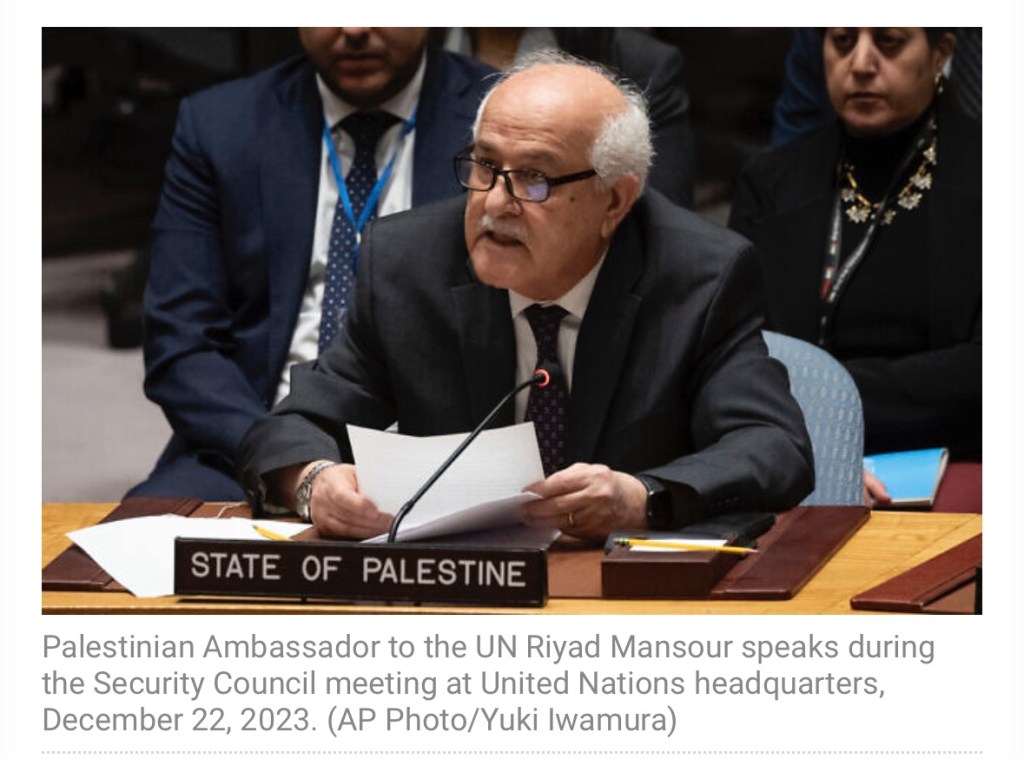
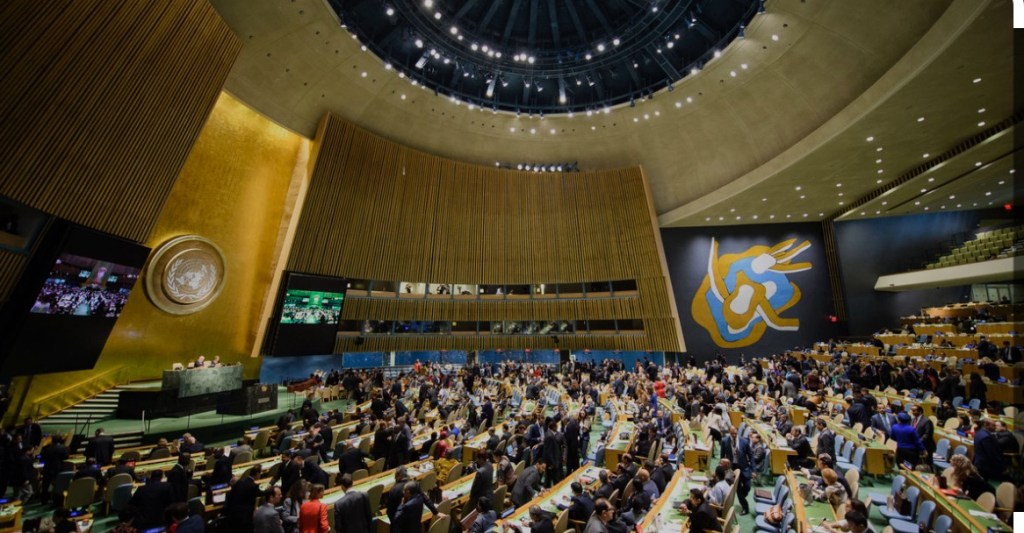
Meanwhile, the absurdity continues. At the UN, the so-called representative of the Palestinian people sits behind a sign reading “State of Palestine.” This prompts the question: Which Palestinian state? Does such an entity truly exist?
The resolution on Friday the 22nd of December calls for a two state solution.
But we see there is already a Palestinian State in the UN, apparently.
While a consensus remains elusive, the international community should begin to recognize that terror organizations and their supporters must be eradicated. Until this is achieved, no one is truly safe. And by no one, I mean absolutely no one.
In an editorial by Jeremy Issacharoff on December 23, 2023, in The Times of Israel, it was clearly stated: “The attack by Hamas on October 7 was also intended to destroy any chance of reconciliation between Israel and the Palestinians, undermine the Palestinian Authority, and prevent any expansion of normalization in the region between Israel and Saudi Arabia.”
Addressing the Palestinian issue appropriately, while prioritizing Israel’s national security and the release of hostages, is crucial. Israel’s efforts, such as the Iron Dome and actions against Hamas and its terror infrastructure in Gaza, are steps towards creating a safer environment for negotiations. No country would react indifferently to constant bombings and barbaric acts, as seen on October 7th.
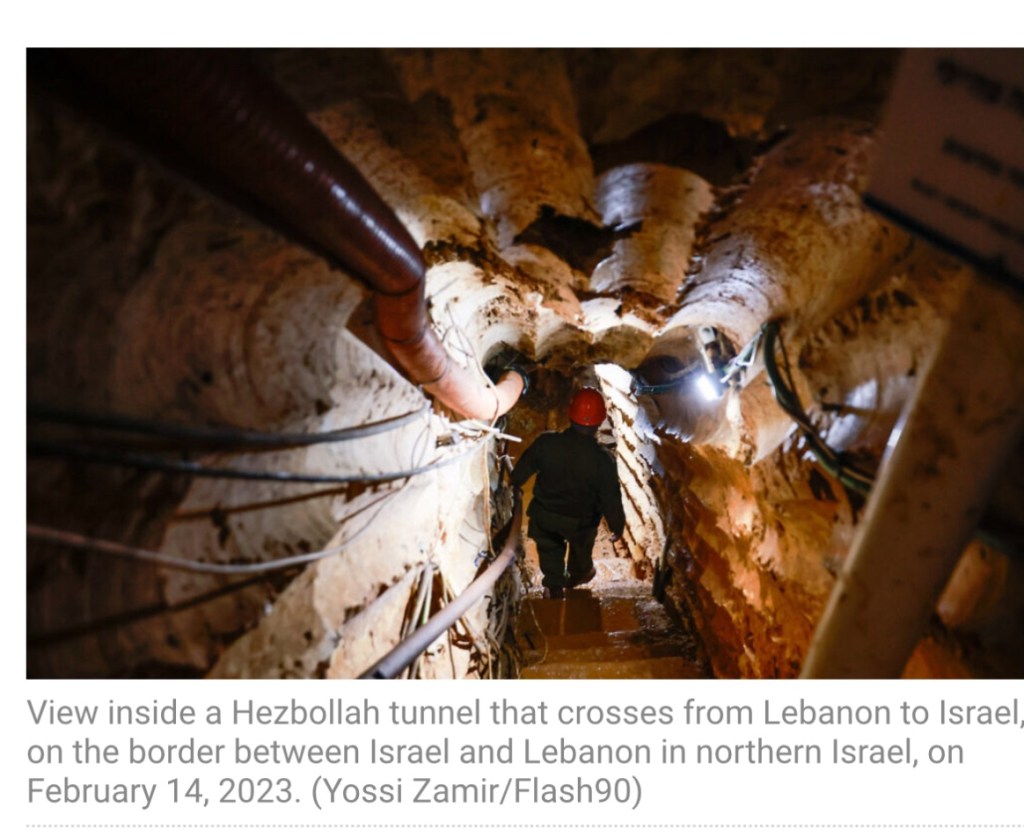
The threat posed by Hezbollah at the northern border is arguably more significant than that of Hamas. The situation south of the Lebanon border, with a buffer zone supposedly regulated by the United Nations Interim Force in Lebanon (UNIFIL), raises questions about its effectiveness.
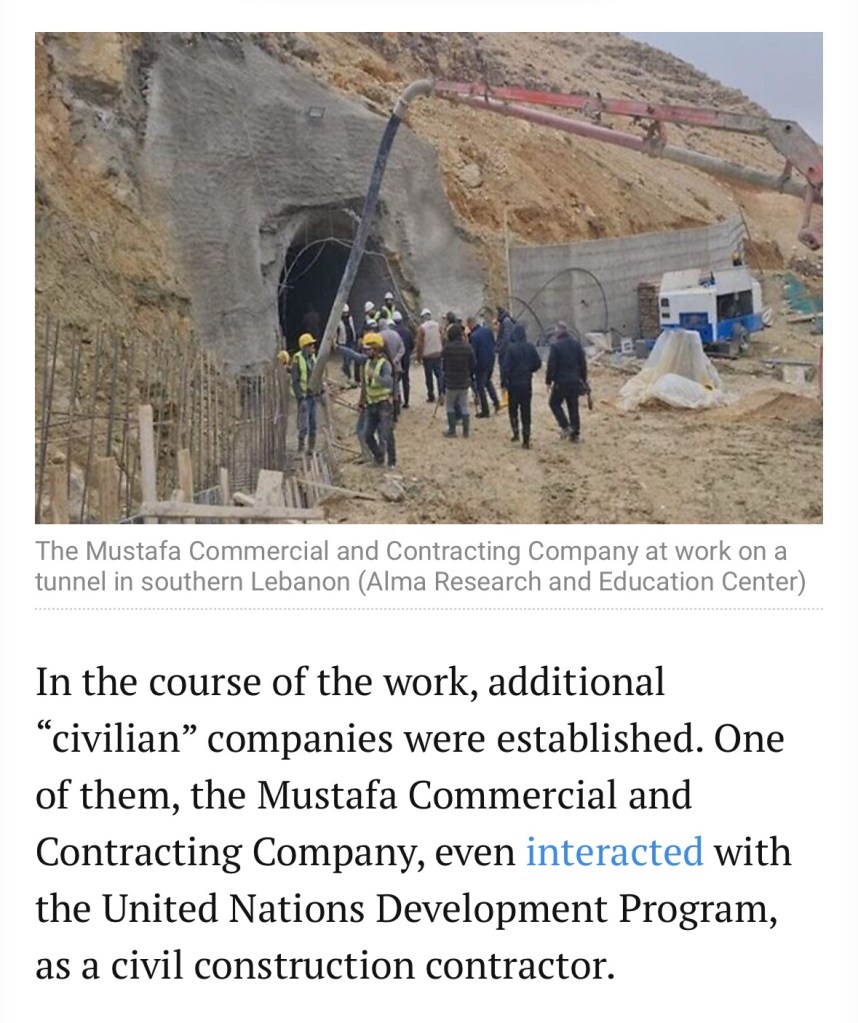
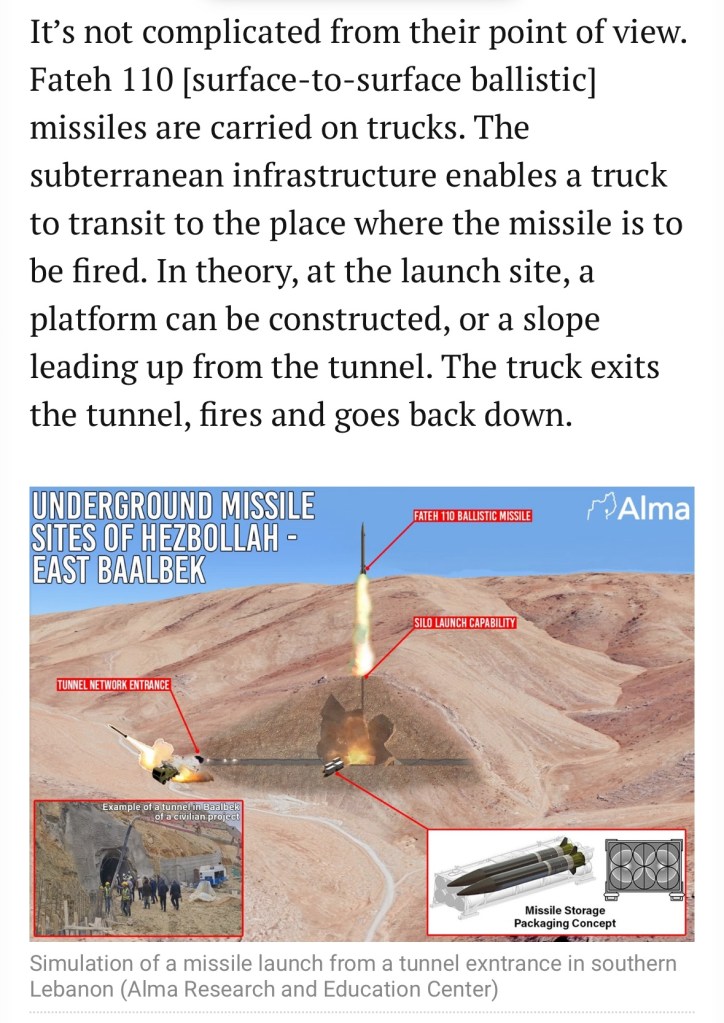
According to an analysis by the Alma Research and Education Center, published by The Times of Israel, the risk associated with tunnels built by Hezbollah over the years is a significant concern, you can read the full article here and some screenshots of the article, see below;
The necessity of an effective international force to handle these complex geopolitical situations is evident, especially considering the apparent shortcomings of the United Nations in achieving its original, crucial goals, and its perceived transformation into a corrupt bureaucracy lacking leadership. The formation of new alliances, like those protecting shipping in the Dead Sea area from threats like the Houthis, is a reaction to these challenges. The rise of ISIS and other terrorist organizations, aspiring to create a caliphate in Syria, Iraq, Yemen, Lebanon, and Gaza, requires a concerted and strategic response.
The lingering impact of frustrating wars in Iraq and Afghanistan, with their heavy toll and unresolved outcomes, weighs heavily on decision-makers, potentially leading to hesitations that terrorist groups exploit. The withdrawal of European and American forces from Afghanistan and Iraq has arguably created a vacuum that has emboldened these groups. It’s not just internal divisions within Israel that have fueled conflict; it’s also the broader geopolitical shifts resulting from these military withdrawals.
Amidst this, Israel’s right to self-defense is a point of contention, especially when the international community, often perceived as comfortably deliberating in UN meetings, is viewed as ineffective in addressing the broader threats posed by alliances like Iran, North Korea, and their allies. Simultaneously, ongoing conflicts in Africa and Ukraine demonstrate the complexities and enduring nature of geopolitical conflicts, often exacerbated by perceived incompetence or a lack of geopolitical integrity among international actors.
 kantorer.com -Officiant-Translator-Odontologist
Agreed, totally!
<
div>Bussis
Sent from my iPhone
<
div dir=”ltr”>
<
blockquote type=”cite”>