
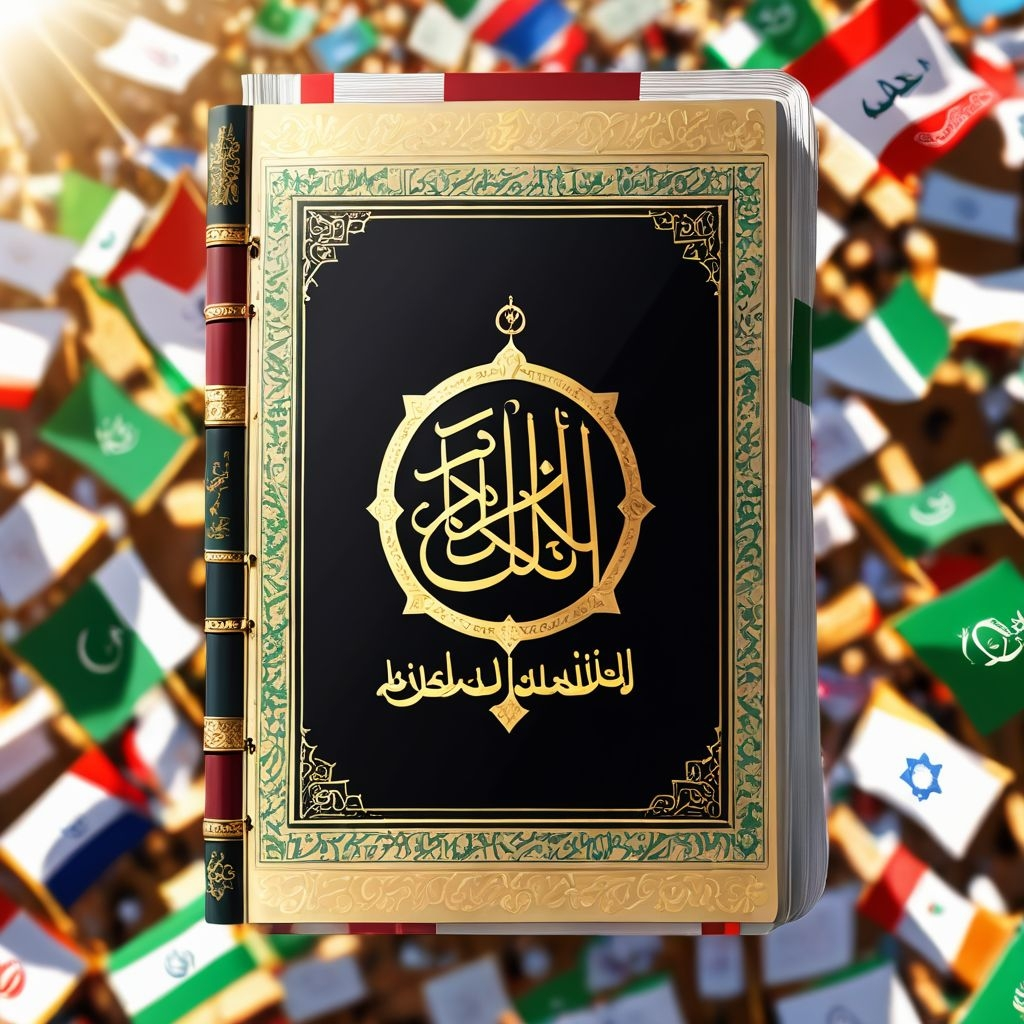
While the Islamic Republic of Iran continues to escalate its hostile rhetoric against the State of Israel, it’s essential to distinguish between politicized interpretations of religious texts and the actual teachings of those texts. Much of the regime’s justification for antagonism is framed in Islamic terms, yet a closer reading of the Qur’an reveals a more nuanced and even compassionate view of the People of the Book—Jews and Christians alike.
The Qur’an on the People of the Book: Respect, Not Hatred
The Qur’an speaks about Jews and Christians in complex and often respectful terms. One of the most striking verses is found in Surah Al-Imran (3:113–114):
“They are not all alike. Among the People of the Book is an upright community who recite Allah’s revelations throughout the night, and they prostrate in worship. They believe in Allah and the Last Day, and they enjoy in what is right and forbid what is wrong, and hasten to do good deeds. These are truly among the righteous.”
(Qur’an 3:113–114)
This verse not only refutes the idea of collective blame but actively praises those among the People of the Book who are sincere in their faith and moral conduct.
Elsewhere, the Qur’an emphasizes shared beliefs and values. In Surah Al-Ankabut (29:46), Muslims are instructed:
“And do not argue with the People of the Book except in the best manner—unless it be with those of them who do wrong—and say, ‘We believe in that which has been revealed to us and revealed to you; our God and your God is one, and to Him we submit.’”
This verse reflects a spirit of theological kinship, urging dialogue and peaceful coexistence—not hostility.
Even in the context of criticism, the Qur’an maintains a clear distinction between unjust actions and entire communities. For example, while the text rebukes certain groups for rejecting prophets or violating covenants, it consistently avoids making blanket condemnations. It acknowledges historical conflicts but does not condone eternal enmity.

The Political Use of Religion in Iran’s Anti-Israel Narrative
Despite these teachings, Iran’s political leadership, particularly under its current Supreme Leader, often distorts Qur’anic language to frame Israel as an existential evil. This goes beyond legitimate criticism of policies and becomes theological demonization. Terms such as “Little Satan” (used in contrast to the U.S. as the “Great Satan”) are not Qur’anic—they are inventions of 20th-century revolutionary ideology.
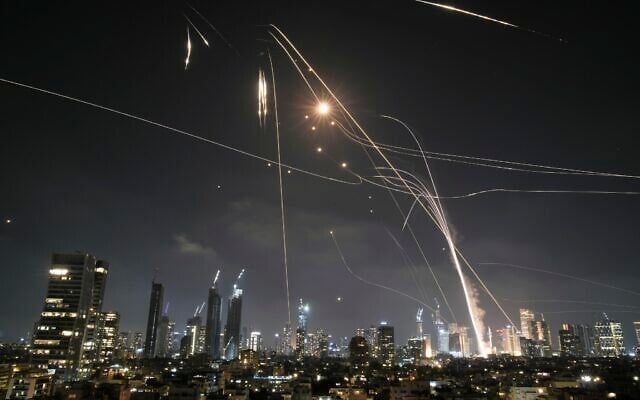
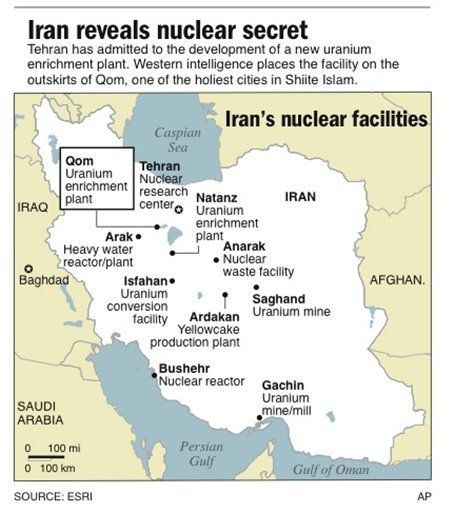
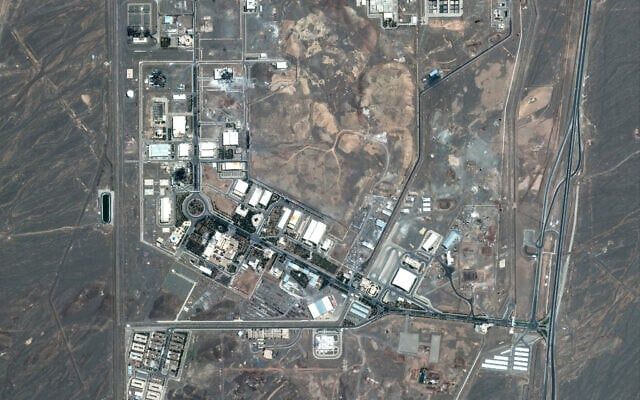
This narrative is used to justify a broader agenda, including military support for proxy groups, missile attacks on Israeli civilians, and the clandestine pursuit of nuclear weapons. Iran’s nuclear facilities—some built deep underground to shield them from attacks—have raised alarms globally. International nuclear watchdogs such as the IAEA have expressed concern over undeclared enrichment sites, and Israel has acted preemptively targeting suspected facilities through airstrikes.
The Real Threat: Weaponizing Faith for War
The real danger lies not just in uranium enrichment or ballistic capabilities, but in the weaponization of religion to justify violence. When political regimes claim divine sanction to “eliminate” an entire state or people, they move beyond geopolitics into the realm of ideological extremism. And when these claims contradict the very texts they cite, it becomes all the more important to return to the sources themselves.
The Qur’an, like many sacred texts, calls for justice, compassion, and truth. It warns against transgression—even in times of war:
“And do not let the hatred of a people prevent you from being just. Be just; that is nearer to righteousness.”
(Qur’an 5:8)
Justice, not vengeance. Respect, not dehumanization.
Conclusion: Truth as Resistance
In an age where political rhetoric is easily dressed in religious language, it is critical—both for Muslims and for global citizens—to distinguish between faith and fanaticism. The Qur’an offers no basis for indiscriminate hatred toward Jews or Christians. On the contrary, it extends them respect and even admiration.
Iran’s rhetoric, when examined in light of the Qur’an, reflects not divine will but political manipulation. And against such manipulation, truth—rooted in the actual texts and values of Islam—may be the strongest form of resistance.
 kantorer.com -Officiant-Translator-Odontologist