
In the heart of a once-thriving city named Solara, life had become an echo of its former self. This vibrant society, characterized by laughter heard in community parks, and youth yearning to build their futures, was now overshadowed by the harsh realities of war. The air, once filled with sweet aromas from local bakeries and the lyrical chatter of neighbours, now carried a heavy silence, punctuated only by distant explosions and sirens.
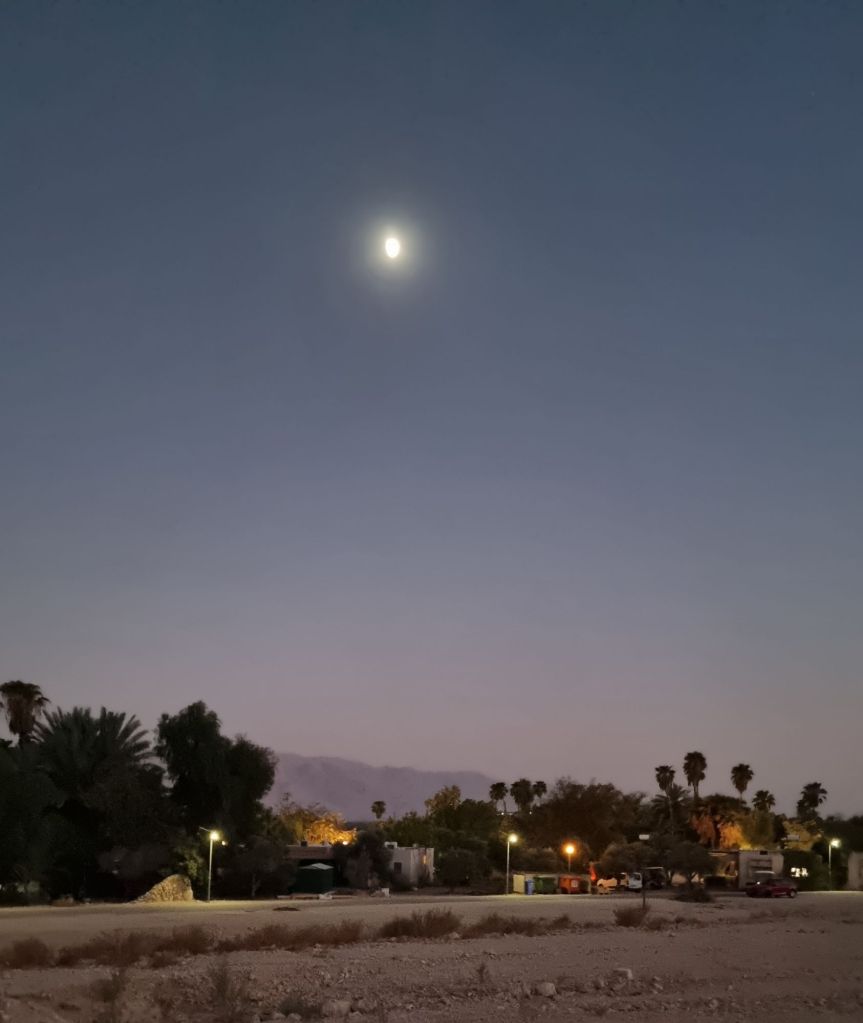
Each day began with an unsettling routine. Parents hugged their children a little tighter as they walked them to school. These were not ordinary goodbyes; they were reluctant acknowledgments of the uncertainty that loomed over Solara. The same streets that had previously been painted with dreams and aspirations were now laden with an ever-present dread. School was no longer just a place for learning; it had morphed into a temporary refuge where teachers struggled against the tide of anxiety.
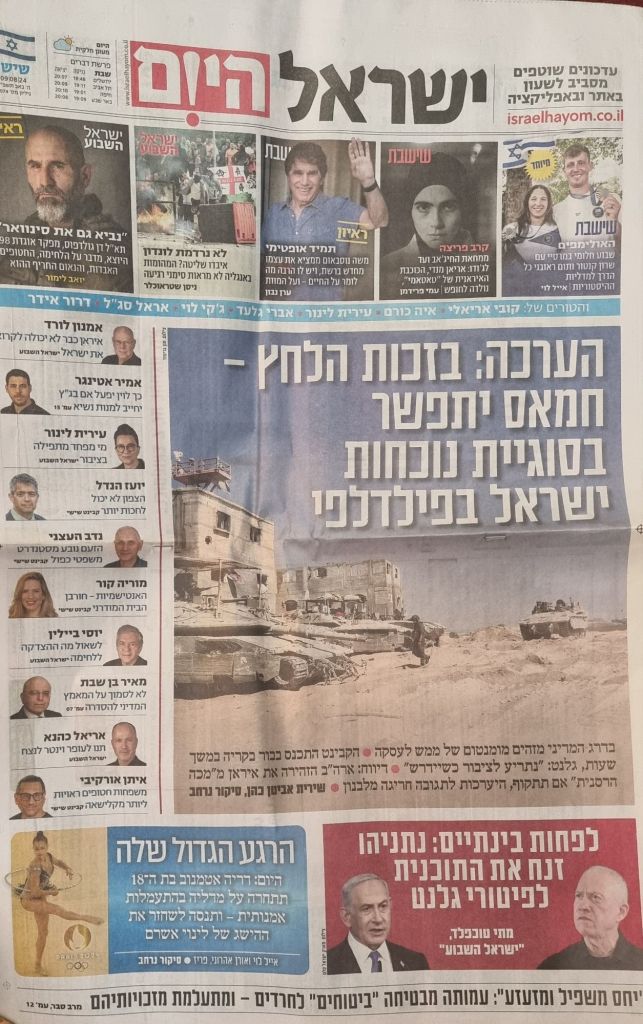
The news, typically rife with tales of triumph and heroism, had turned grim. Headlines no longer celebrated the achievements of the youth. Instead, they reported on the rising toll of young lives lost, students who never returned home, a lingering pain that gripped the community tightly. As students attended classes, their hearts burdened with this reality, lessons on math and science felt trivial in light of the impending uncertainty.
Among the students was a spirited girl named Chava, who once dreamed of becoming an artist. Each canvas she touched echoed with vivid colors and lively strokes, reflecting the hope that once filled her community. But as the conflict continued, her canvases grew darker, mirroring the unease that enveloped Solara. Her friends, who once talked excitedly about their future plans, now spoke in hushed whispers about survival and maintaining resilience in a world unraveling at the seams.
Every day, Chava observed the empty desks in her classroom—students who had not returned. Ghosts of laughter haunted the hallways, and the absence of her friends spoke louder than words. It wasn’t just about losing lives; it was about losing potential—dreams deferred, futures untold. The world outside her classroom window, filled with desolation, did not reflect her youthful exuberance. It was a looming reminder of the fragility of life.
Yet, amid despair, the community sought to hold on to remnants of normalcy. Families organised gatherings, celebrating small victories whenever they could—birthdays, anniversaries, or simply the gift of being together. The streets would momentarily fill with music and laughter, drowning out the sounds of war as if to tell the world that life would not be silenced, no matter how harsh the reality became.
Chava decided she could not let fear take the colours from her life. She gathered her comrades—fellow students who shared her passion. Together, they organised an art exhibit on the playground where they had once played joyfully. Their works reflected their hopes, fears, and the stark reality that enveloped them. Each canvas told a story—a silent tribute to their lost friends and the community that continued to fight for existence. The exhibit titled “Voices of the returned,” traveled and drew everyone to the capital Luz, stirring memories, conversation, and catharsis.

Parents, holding their children close, wandered through the display, recognizing familiar faces in the painted portraits. Tears streamed down faces not merely in grief but in solidarity—a reflection of a shared struggle. In that moment of vulnerability, they healed together, reclaiming their space amidst uncertainty. The event underscored something powerful: hope could not be extinguished, nor could the spirit of a community be shattered so easily.
Days blurred into weeks, and as the war dragged on, the people of Solara found strength in their unity. Chava’s artwork became an annual event, a reminder that life, despite its unpredictability, thrived in resilience and creativity. She found her purpose not only in her passion for art but in the belief that even amidst the darkest times, love and connection could become the most poignant expressions of humanity. As hope remained a spectre of grief never fully faded, however resilience learned from previous generations bloomed. Solara became a testament not only to survival but to the fierce human spirit determination to rise, fight, and thrive, ensuring that their narratives would not be merely headlines of sorrow but epic tales of courage, love and rebirth in face of adversity.
 kantorer.com -Officiant-Translator-Odontologist
I don’t know where Solara is, but the story, sadly, rings a bell these days.
On Sun, Aug 18, 2024, 09:45 kantorer.com -Officiant-Translator-Odontologist
Beautifully captured, Polcho, thank you! I wanted to put a Like or Comment but wasn’t able to. . . Hugs Susie
>