
The Place
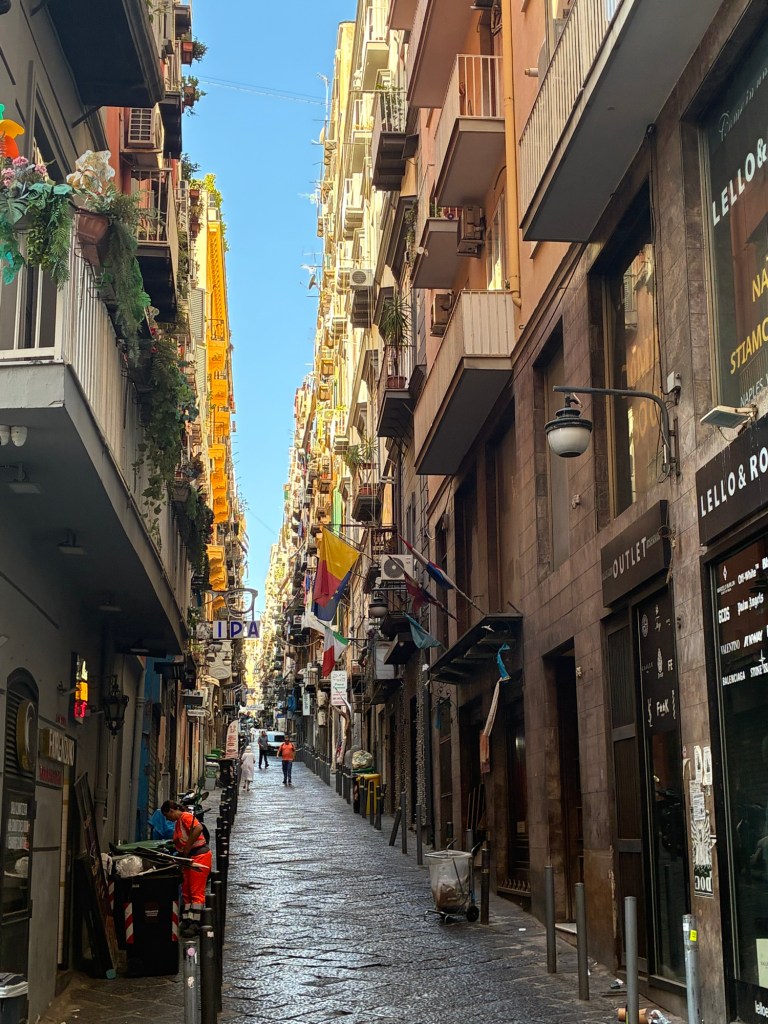
Yesterday, in Naples, I stood in stone older than empires. Above: the city. Below: silence.
✦ ✦ ✦
The Layers: A History of Water and Refuge
The Greeks came first. In the third century BCE, they quarried these tunnels for tuff — the soft stone needed to build the walls and temples of Neapolis. They took what they needed and left the hollows behind.
The Romans understood what to do with hollows.
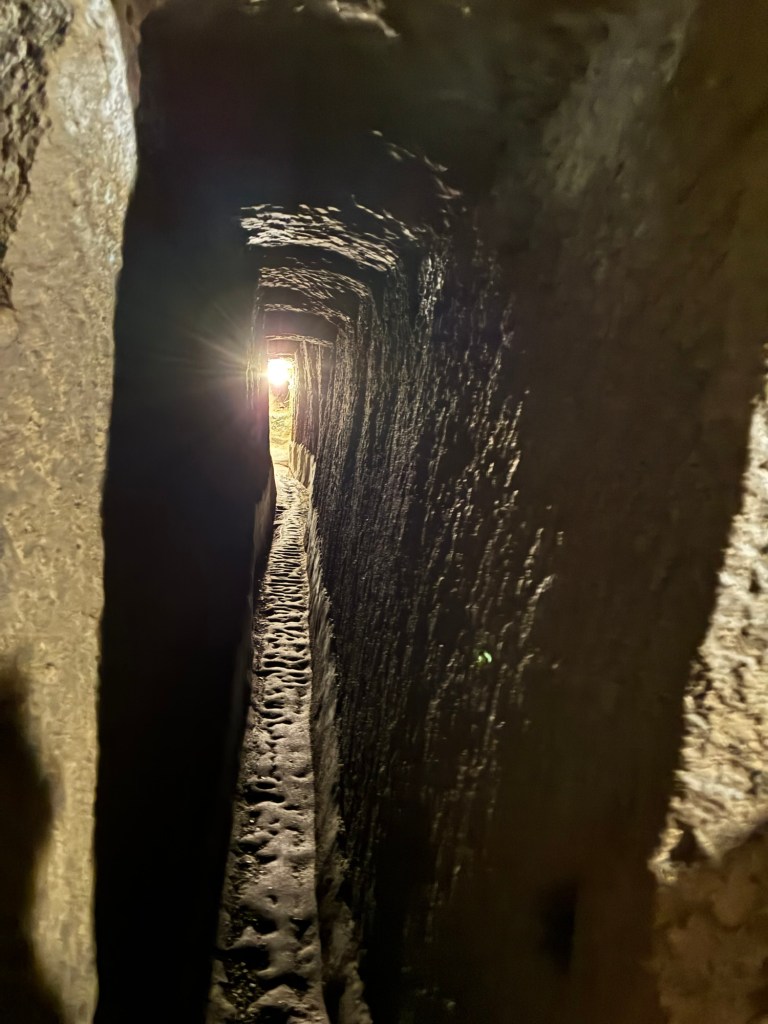
In the Augustan era, they engineered an aqueduct. Not local. The water came from the Serino — seventy kilometres away, fed by underground conduits, pressure and gravity solving the problem together. Branches of this system reached toward Miseno, toward the Piscina mirabilis, the great reserve that supplied the Roman fleet.
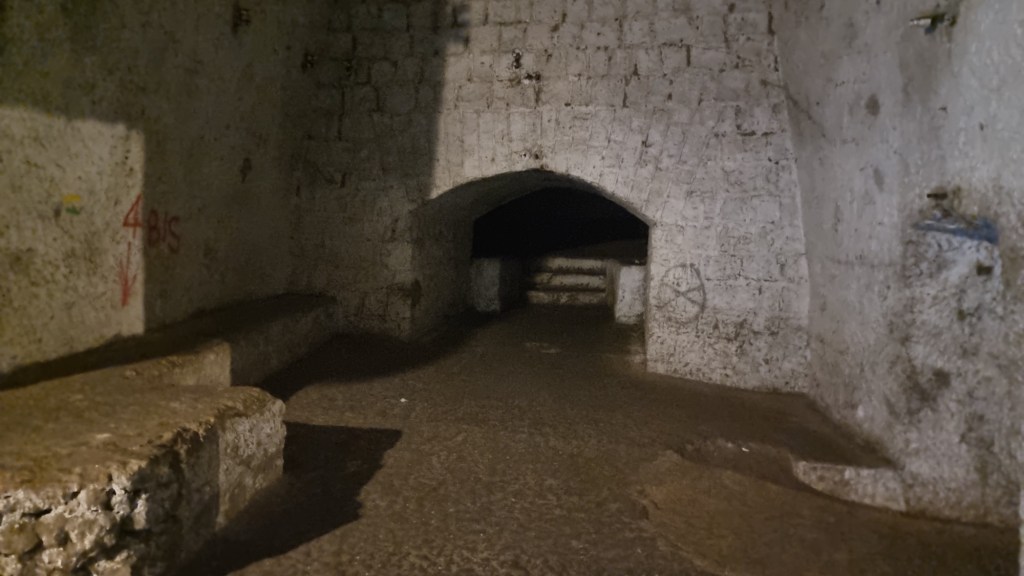
The medieval city added cisterns, collecting rainwater. The Renaissance nobleman Cesare Carmignano built a new aqueduct in the sixteenth century when the old system could no longer keep pace with the city’s hunger for water.
By the twentieth century, the city had learned to dig what it needed from above. The tunnels were abandoned.
✦ ✦ ✦
The War Years
Then came September 1943. The Allied bombing began.
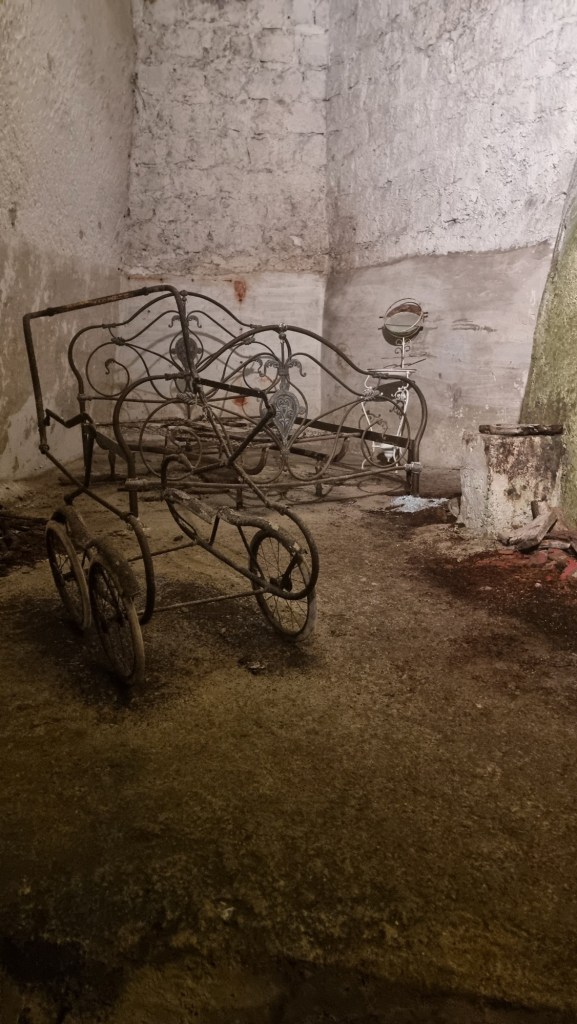
The city did not need water from these caves. It needed shelter.
Over 270,000 Neapolitans descended into the tunnels when the sirens sounded. They brought what they could carry. They left traces of their fear — marks on the walls, fragments of furniture, the graffiti of people counting days, waiting for the all-clear.
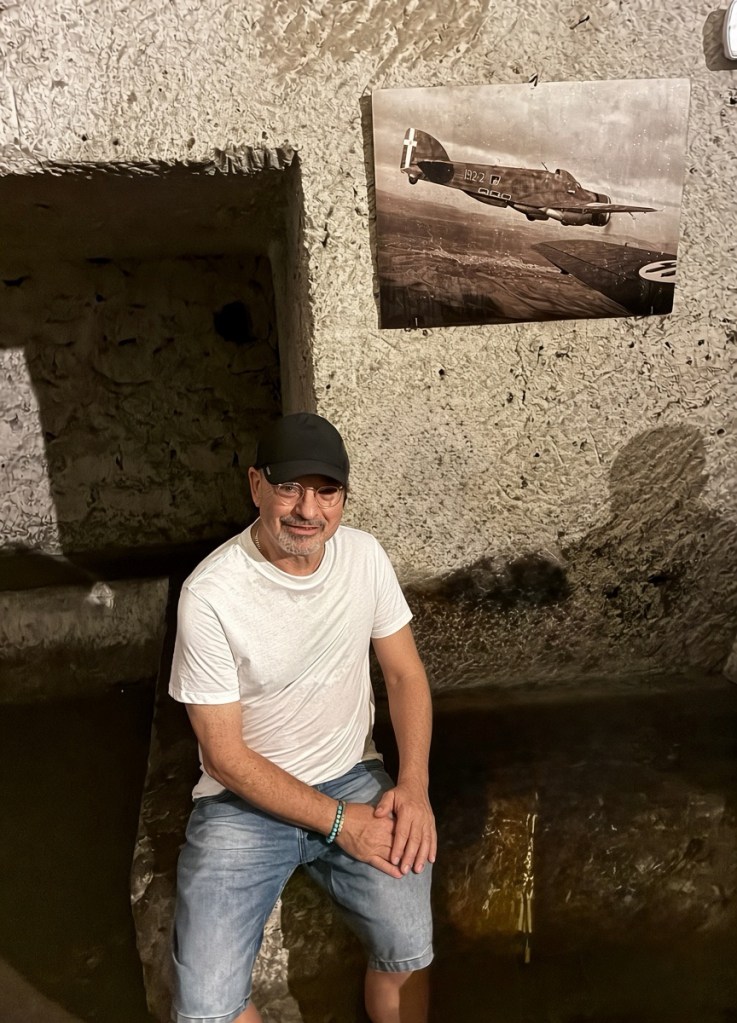
The bombing stopped. The people climbed back out. The tunnels went quiet again.
✦ ✦ ✦
What It Teaches
A space that was built for one purpose — to carry water across seventy kilometres of stone — became, in the moment of greatest need, a place that held a quarter of a million people alive.
That is not accident. That is the inheritance of a city that learns to build with its stone, that reuses what came before, that solves each generation’s crisis with what the generation before left behind.

